Contemporary Roof Lanterns: An Excellent Fusion of Aesthetics and Performance
Modern roof lanterns represent a striking union of visual allure and practical benefit. They amplify natural brightness in living zones while supporting energy conservation. With varied options and materials obtainable, homeowners can uncover alternatives that accommodate their personal preferences and demands. Still, the choice process can be challenging. Knowing how to select and install the ideal lantern can produce a major influence in both appearance and usefulness.
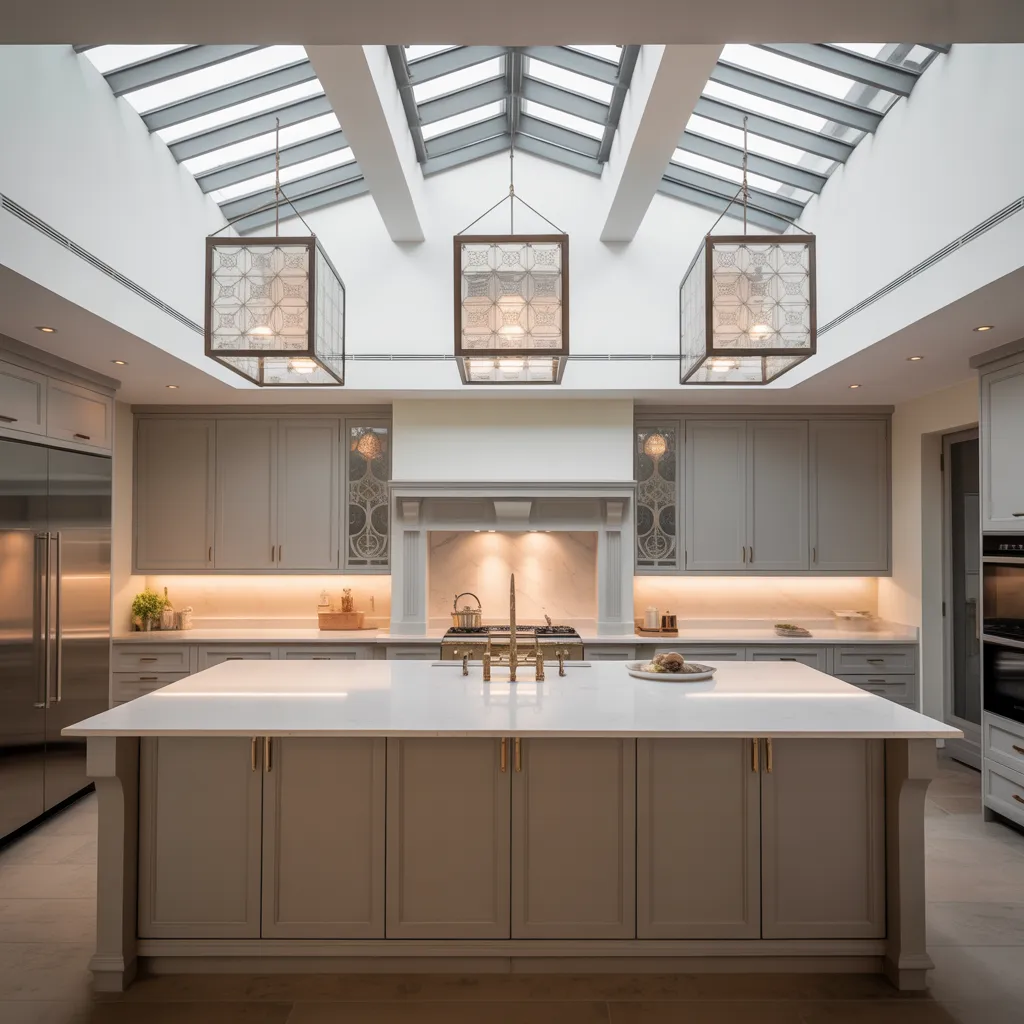
How Roof Lanterns Brighten Your Space and Reduce Energy
Many dwellers are recognizing how roof lanterns can greatly enhance daylight in their spaces while promoting energy efficiency. These building elements allow sunlight to penetrate deeper into interiors, reducing reliance on artificial lighting during the day. As a result, homes become more illuminated and more engaging, fostering a warm atmosphere for family gatherings and daily activities.
Furthermore, roof lanterns can greatly assist to saving energy. By taking advantage of natural light, they cut down on electricity bills and reduce the carbon footprint. Enhanced daylight also helps with stabilizing indoor temperatures, cutting down on the need for heating and cooling systems.
The deliberate placement of roof lanterns can maximize light circulation, guaranteeing uniform illumination throughout the room. With multiple styles available, homeowners can seamlessly incorporate these features into their existing architecture, promoting a harmonious blend of aesthetics and functionality. Ultimately, roof lanterns represent a sustainable choice for modern living spaces.
Picking the Appropriate Style for Your Home
Selecting the right style of roof lantern is essential for enhancing a home's appearance. Compatibility with the architectural style and thoughtful evaluation of material and finish options can significantly affect the overall look and feel. Well-considered decisions in these areas guarantee that the roof lantern enhances the existing design while providing practical advantages.
Building Style Consistency
Choosing the ideal architectural style for a roof lantern can greatly enhance the overall appearance of a home. Compatibility with existing architectural elements is essential; for instance, a minimalist lantern suits contemporary designs, while ornate styles harmonize with traditional homes. Victorian or Edwardian properties are enhanced by decorative lanterns that reflect their historical details, creating a cohesive look. Conversely, a smooth, angular roof lantern fits modern builds, highlighting clean lines and open spaces. Bungalows or craftsman-style homes may choose lanterns that incorporate natural materials and simpler forms, matching their earthy charm. Ultimately, selecting a roof lantern that resonates with the home's overall style not only enhances its appearance but also supports architectural coherence and character.
Material and Finish Alternatives
While reviewing material and finish options for roof lanterns, homeowners must reflect on how these selections shape both appearance and usefulness. Standard materials feature aluminum, timber, and uPVC, each offering distinct merits. Aluminum is lightweight and rust-resistant, positioning it as a durable option for contemporary looks. Timber, while sophisticated and welcoming, requires ongoing maintenance to sustain its beauty. uPVC offers a economical choice, offering minimal care without diminishing style.
Finish options, such as powder application or oxidation process for aluminum, improve durability and allow for diverse color choices. Wood surfaces can vary from natural hues to finished surfaces, delivering adaptability. Ultimately, selecting the appropriate substance and surface not only boosts the roof lantern's aesthetic charm but also confirms durability and reliability in any home environment.
Critical Directions for Placing Your Roof Lantern
Installing a roof lantern can transform a space, inundating it with sunlight and enhancing its overall aesthetic. To ensure a successful installation, meticulous planning is vital. First, assess the load-bearing capacity of the roof to support the lantern's weight. Next, pick the fitting size and style that complements the existing architecture.
prepare all necessary tools and materials before setup. Proper sealing proves essential to stop leaks; apply premium silicone or flashing tape along the edges. It is recommended to collaborate with a partner, as managing large panels can be unwieldy. Additionally, ensure that the lantern is properly positioned with the roof's pitch to promote drainage.

Lastly, evaluate the arrangement of electrical conduit if including lighting. Using these tips will produce a well-installed roof lantern that enhances both light and style, establishing a welcoming atmosphere in any space.
Maintenance Tips for Durable Roof Lanterns
Maintaining roof lanterns is necessary for assuring their longevity and effective performance. Frequent cleaning is needed; particles and dirt can obstruct light and affect aesthetics. Homeowners should employ a soft cloth and a light glass cleaner to avoid scratching the surface. Checking seals and joints regularly helps prevent leaks that could damage internal areas. If any wear is noticed, immediate repairs can save costly replacements later.
Moreover, guaranteeing proper drainage around the lantern prevents water accumulation, which can cause structural issues. During seasonal changes, checking for any damaged connections or structural integrity is advantageous. It's also recommended to cut back surrounding foliage to minimize debris buildup. Finally, thinking about professional maintenance every few years can offer a comprehensive evaluation and upkeep that ensures the roof lantern stays a functional and beautiful feature of the home for years to come.
Empowering Transformations With Roof Lanterns
How can skylight installations convert a space into a breathtaking focal point? These design elements elevate both visual appeal and functionality, permitting natural light to flood interiors while creating a sense of spaciousness. By adding a roof lantern, homeowners can greatly enhance the ambiance of living areas, kitchens, or even hallways.
The contemporary styles offered now accommodate various architectural styles, from clean modern aesthetics to elaborate classical designs. This flexibility means roof lanterns can blend effortlessly into any home, reflecting personal style while increasing property worth.
Together with their striking looks, roof lanterns provide practical benefits. They improve ventilation and lower dependence on artificial lighting, fostering an eco-friendly living environment.
In the end, the deliberate placement of a roof lantern can catalyze transformations that transform mundane areas into remarkable settings, making them not just useful, but also magical spaces where families can assemble and forge unforgettable experiences.
Typical Oversights to Evade When Opting For Roof Lanterns
Selecting the appropriate skylight fixture can profoundly affect the complete success of the redesign shaped by these design principles. A typical mistake is neglecting proportions; an too-large lantern can dominate a area, while one that is too limited may fail to deliver adequate light. Additionally, many disregard the importance of material quality. Opting for inferior materials can lead to problems with durability and energy efficiency.
A common mistake is ignoring the style of the existing structure. A skylight that conflicts with the home's design can compromise aesthetic balance. Moreover, neglecting the direction and position can result in insufficient natural light during certain times of the day. Ultimately, not consulting experts or relying solely on do-it-yourself approaches can cause faulty setup, undermining both visual appeal and functionality. By steering clear of these mistakes, homeowners can ensure their roof lanterns improve their homes effectively.
Regularly Discussed Questions
Are Roof Lanterns Well-Suited with Flat Roofs?
Roof lanterns are genuinely suitable for level roof surfaces. They supply natural light and ventilation, elevating the visual charm of the space while ensuring correct drainage and structural integrity, making them a useful choice for such designs.
What Substances Are Roof Lanterns Generally Built With?
Roof lanterns are usually made from materials like aluminum, uPVC, and glass. These options guarantee resilience, energy efficiency, and aesthetic appeal, allowing for a fusion of modern design and practical functionality in various architectural settings.
Do Roof Lanterns Function in Low Temperature Areas?
Yes, roof lanterns can be installed in cold climates. Proper insulation and high-quality materials guarantee thermal performance and longevity, allowing them to endure harsh weather conditions while providing natural light and visual charm.
In What Ways Do Roof Lanterns Shape Your Home's Selling Price?
Roof lanterns typically boost home resale value by increasing natural light and aesthetic appeal. Potential buyers commonly value the extra dive in architectural interest, making properties with such elements more sought-after in competitive property markets.
What high-efficiency choices are available for roof lanterns?
Yes, there are energy-efficient choices offered for roof lanterns. Many producers provide models with multiple glazing layers and thermal coatings, which lessen heat loss and optimize overall energy efficiency in homes.